
Noctave

Free sheet music · Noctave edition

Mazeppa (Grandes études, S. 137 No. 4)

Franz Liszt 1811–1886

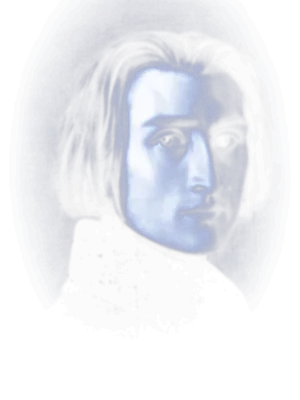
Portrait of Franz Liszt, in moonlight

Listen

The first 48 seconds, played by Noctave’s robot pianist, who slows down at the end of each phrase. Tap “Listen” to hear the app’s piano.

At a glance

Master · 10/105 min 17 sD minorBoth hands1837The Deep Sky

The piece

In 1837 Liszt rewrote the short studies he had published as a teenager. The resulting Twelve Grand Études came out in 1839, dedicated to Carl Czerny, his former teacher. The fourth, in D minor, would later become Mazeppa after a poem by Victor Hugo in the Transcendental Études of 1852. The version played here is the first one, denser still. The theme moves forward in full chords, tenuto e ben marcato, while triplet thirds crackle from one hand to the other.

Let the top note of each chord sing and keep the thirds short and light, as sempre fortissimo e staccatissimo asks: the power comes from the weight of the arm, not from tension. The octave passages in both hands mean reading well ahead to prepare the leaps. In the middle, in B-flat major, the tune moves inside the chords over a piano e leggiero accompaniment. The ending, in two beats to the bar, strings grace notes and detached chords together up to the final held chord.


What makes it hard

Octaves
1257 octaves struck with one hand (622 in the right hand, 635 in the left).
Ornaments
Written ornaments: 91 groups of grace notes, 35 rolled chords and 4 tremolos.
Cross-rhythms
On 35 beats, the hands divide the beat differently (three against two, four against three).
Repeated notes
280 notes struck again on the same key within 0.2 seconds.

Measured on the score, repeats included, at the written tempo.

Play it in Noctave

The score is free here. In Noctave its notes fall as light towards your keyboard at your tempo, then fade little by little to leave you the score.

Download on the App StoreGet it on Google Play

More by Liszt

At the same level