The piece
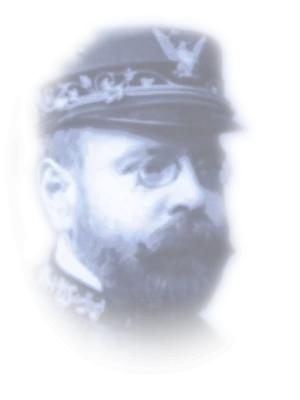
John Philip Sousa composed this march at the end of 1896; his band first played it in Philadelphia in May 1897, and the United States Congress made it the country's national march in 1987. The same year Sousa published a piano version with The John Church Company in Cincinnati: that is the one Noctave plays. It has the form of Sousa's marches: an introduction, two repeated strains, then a trio that moves to A-flat major, played again at the end grandioso.
Everything goes at 120 half notes per minute, two beats to the bar: count in half notes, not quarters. Right from the introduction, the right hand climbs in accented octaves, G-flat, G, A-flat, A, B-flat; keep the hand open and the wrist supple. The left hand carries the march: a bass note on the beat, a chord between the beats, never slowing down. At the trio there are four flats in the key signature: spot the new D-flats before you play. For the final grandioso, keep some strength in reserve rather than playing loudly from the start.