
Noctave

Free sheet music · Noctave edition

“Black Keys” Étude in G-flat major, Op. 10 No. 5

Frédéric Chopin 1810–1849

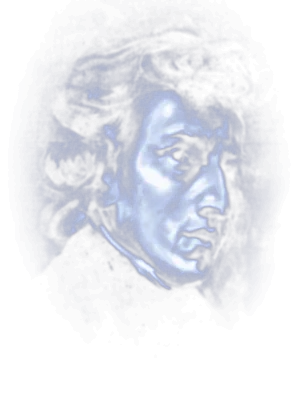
Portrait of Frédéric Chopin, in moonlight

Listen

The first 42 seconds, played by Noctave’s robot pianist, who slows down at the end of each phrase. Tap “Listen” to hear the app’s piano.

At a glance

Master · 10/101 min 28 sG-flat major2/4Both hands1830

The piece

Chopin wrote this étude in 1830, at twenty. It came out in 1833 in his first book of Études (Op. 10), dedicated to Franz Liszt. It is called the "Black Keys" Étude because the right hand plays only black keys in sixteenth-note triplets, with a single exception: one F in bar 66. The left hand accompanies it with detached chords. This version follows the first German edition published by Kistner in Leipzig: Vivace, brillante, quarter note = 116.

At this tempo the right hand plays almost twelve notes a second, with wide stretches inside each group of three. The difficulty lies in the speed and accuracy of the shifts more than in strength. Keep the wrist supple: the thumb lands on the black keys too, which are narrower than the white ones. Practise each group slowly, as one gesture, then link them. The left hand stays light and clean. Near the end, ff, both hands run down together in octaves to the bass before the final rolled chord.


What makes it hard

Speed
11.8 notes a second in the right hand, kept up over at least a quarter of the piece.
Leaps
279 leaps of an octave or more in less than half a second, mostly in the right hand.
Accidentals
6 flats in the key signature, and 3% of the notes altered on top of it.
Range
The notes span more than 5 octaves of the keyboard.

Measured on the score, repeats included, at the written tempo.

Play it in Noctave

The score is free here. In Noctave its notes fall as light towards your keyboard at your tempo, then fade little by little to leave you the score.

Download on the App StoreGet it on Google Play

More by Chopin

At the same level