 Noctave
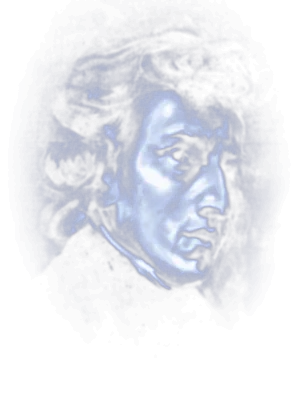
Born in 1810 near Warsaw, Chopin left Poland in 1830 and lived in Paris from 1831. There he taught the piano and played more readily in salons than in public concerts. Almost all his music is for the piano: nocturnes, preludes, études, waltzes, mazurkas, polonaises, ballades. Several pieces in the catalogue were only published after his death, such as the Fantaisie-Impromptu, which appeared in 1855; some of the nocturnes here follow the first edition.
The Prelude Op. 28 No. 7, a few chords on a dotted rhythm, is the way in. The E minor and C minor preludes then work on sustained chords and their balance, before the Nocturne in C minor, B. 108, and the Nocturne Op. 72 No. 1, where the left hand unrolls long triplet arpeggios beneath the melody. With Op. 9 No. 2, the ornaments become part of the tune. The “4 against 3” exercise prepares the Fantaisie-Impromptu; the études and the Polonaise Op. 53 come last.