
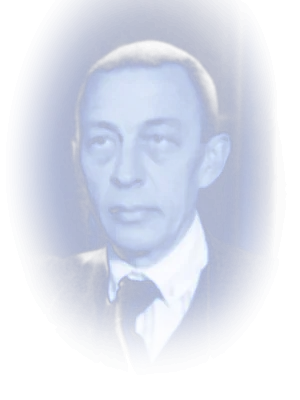
The piece
Three notes (A, G-sharp, C-sharp) struck in low octaves: the whole prelude grows from this motif. Rachmaninoff was nineteen when he wrote it in 1892 for his Morceaux de fantaisie (Op. 3), published the following year by Gutheil. The opening Lento moves in heavy chords. The middle Agitato sends the right hand whirling in triplets above a chromatically descending bass. Then the theme returns pesante before fading away. Its original four staves are divided here between the two hands.
Nearly four attacks in ten are chords, and octaves are plentiful (324). The first task is weight: let your arm drop into the keys instead of pushing with the fingers, to get a full sound without harshness. In the pesante return the chords jump from one register to another and the hand must find each position before it strikes. Prepare these shifts slowly, with your eyes ahead of your hands. The Agitato calls for the opposite, lightness, with even triplets and a clean bass. The ten rolled chords in the score should spread quickly without holding back the beat.