
Noctave

Free sheet music · Noctave edition

Für Elise, WoO 59

Ludwig van Beethoven 1770–1827

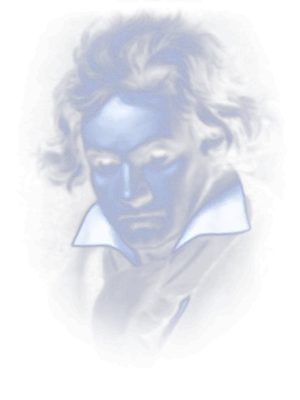
Portrait of Ludwig van Beethoven, in moonlight

Listen

The first 43 seconds, played by Noctave’s robot pianist, who slows down at the end of each phrase. Tap “Listen” to hear the app’s piano.

At a glance

Advanced · 7/102 min 36 sA minor3/8Both hands1810LibraThe Essentials
The easy version Arranged for Noctave · 46 s Easy · 3/10
Who it is for
For players who have played the easy version or intermediate two-handed pieces and want the complete rondo with both its episodes.
Where to start
The refrain comes back three times, so learn it first up to the first episode. Then take the F major episode and keep the dark episode for last.

The piece

Beethoven never published it: the piece only appeared in 1867, forty years after his death. It was the scholar Ludwig Nohl who published it, from his copy of a manuscript that is now lost. It is a small rondo, complete here: the A minor theme is heard three times, with two episodes between its returns. The first, in F major, is more songful and ends with a quick run. The second, darker one moves over a repeated A in the bass, then climbs in broken arpeggios before sliding down a chromatic scale into the theme.

The opening figure (E and D-sharp rocking back and forth) stays pianissimo and supple, never hammered. Then the arpeggios pass from one hand to the other: the left hand starts the chord, the right hand carries it on. Hear them as one line, with no gap and no bump at the handover. Some fifty quick shifts, mostly on the left, call for anticipation: prepare each one during the note before it. In the dark episode, keep the repeated A in the bass steady and light, without letting your wrist tighten.


What makes it hard

Range
The notes span more than 5 octaves of the keyboard.
Leaps
52 leaps of an octave or more in less than half a second, in both hands.

Measured on the score, repeats included, at the written tempo.

Play it in Noctave

The score is free here. In Noctave its notes fall as light towards your keyboard at your tempo, then fade little by little to leave you the score.

Download on the App StoreGet it on Google Play

More by Beethoven

At the same level